 To homepage
Damage and protection in MudGate
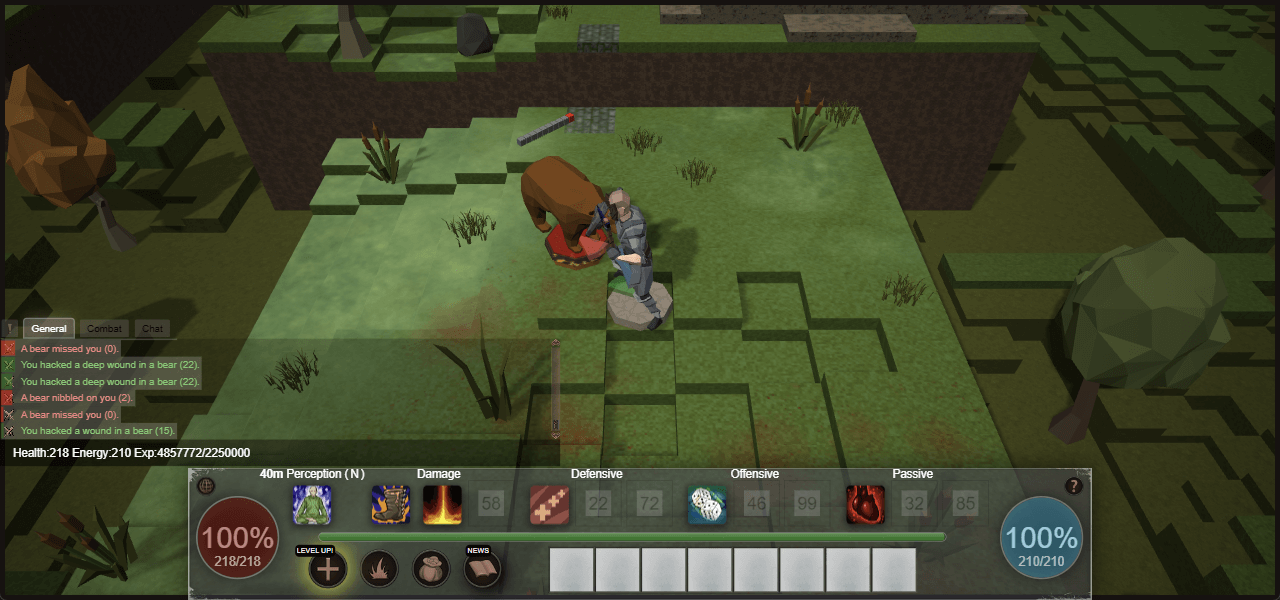
MudGate has several damage types, including acid, bludgeoning, cold, and fire.
Damage can be physical, elemental, or the special life drain type. It can come from monsters, spells, weapons, or hazards. For example, a corrosive spray can deal acid damage, while a heavy club can deal bludgeoning damage.
Armor and protective effects can reduce specific damage types or broader groups such as physical or elemental damage.
Physical damage types
- Bludgeoning: Blunt force attacks, such as hammers and falling.
- Piercing: Puncturing and impaling attacks, such as spears.
- Slashing: Swords and other cutting weapons.
- Bite: Monster bites.
- Chop: Axes.
- Claw: Monsters' claws.
- Lash: Lashing attacks such as a whip.
Elemental damage types
- Acid: Corrosive sprays, breath, and dissolving hazards.
- Cold: Frost magic, icy weapons, and freezing breath.
- Fire: Flames, burning weapons, and fire magic.
- Force: Raw magical energy focused into a damaging form.
- Lightning: Storm magic and electrical effects.
- Necrotic: Certain undead creatures and dark magic.
- Poison: Venomous stings, tainted weapons, and toxic gas.
- Psychic: Abilities that attack or disrupt the mind.
- Radiant: Light-based magic and consecrated weapons.
- Thunder: Concussive sound and shock waves.
Special damage type
Life drain bypasses damage mitigation.
Protection against damage
Armor is protective equipment made from materials such as metal, leather, or hide. Equipped armor can reduce both physical and elemental damage.
Armor protection is measured by armor class (AC), up to a maximum of 20. Higher AC means better protection. Cloth offers the least protection, while plate offers the most.
Specialized effects can add protection against physical or elemental categories and particular damage types. Life drain bypasses damage mitigation.
Body parts can have different protection levels. Large armor pieces, such as chest plates, usually protect more than small pieces, such as rings.